
Where Should a Porta Potty Go on Your Site?
Pick flat, firm ground first. ADA Standards section 302.1 calls for surfaces that are stable, firm and slip resistant, and that rule matters whether you're placing one unit for a backyard remodel or twenty for a festival. Avoid grass slopes, mulch beds, and gravel that shifts underfoot. Keep units away from storm drains, since tipped tanks and runoff don't mix, and skip low spots that pool water after a Wheaton rain, a problem worth planning around before winter using our porta potty in winter notes.
Give the delivery truck a straight shot. A roll-off delivery needs about 60 feet of clearance behind the truck, and while that spec is built for dumpsters, the same driver logic applies to a porta potty trailer trying to back into a tight driveway. If you're also renting a roll-off dumpster for the same job, plan both drop points together so trucks don't fight each other for the same alley.
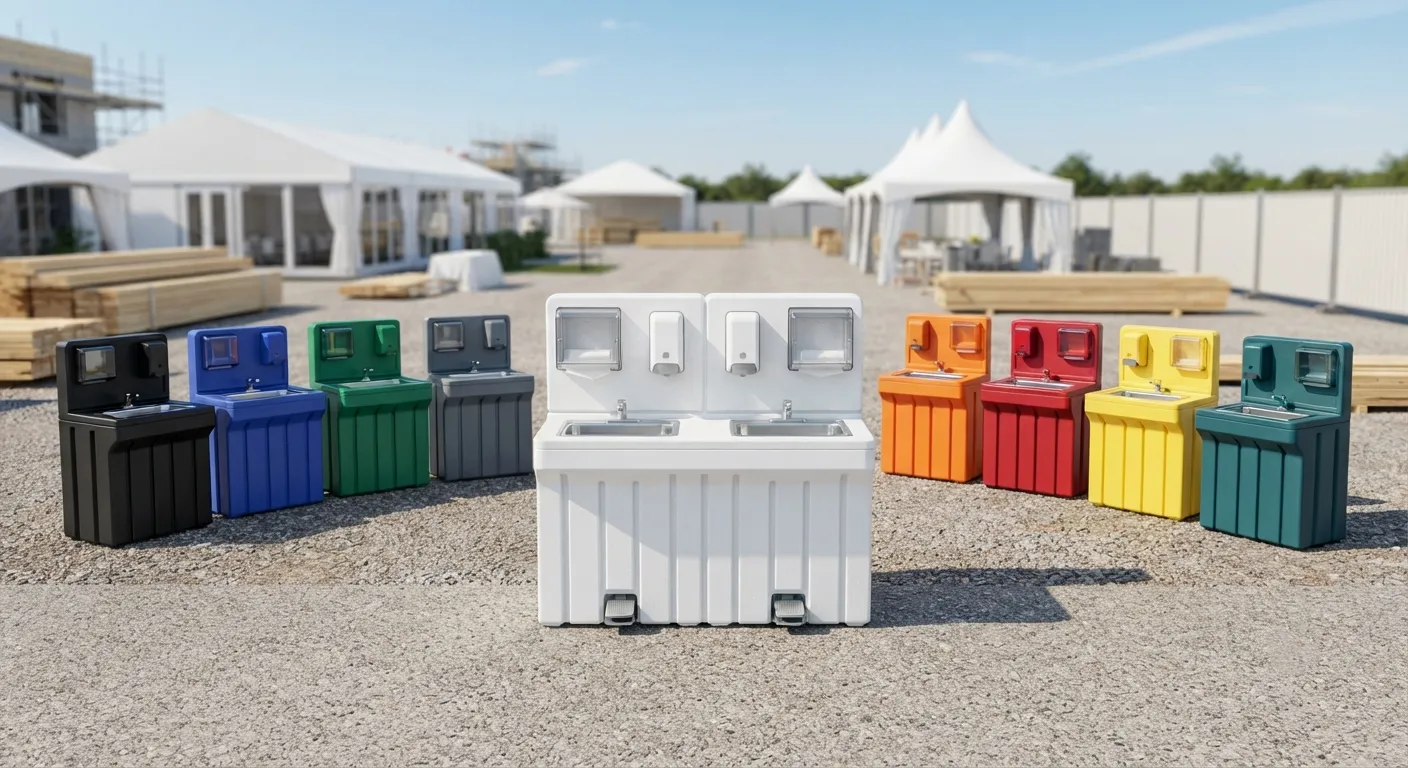
Think about foot traffic too. A unit tucked behind a dumpster or generator gets skipped. One near the entrance, shaded if you can manage it, gets used properly and stays cleaner between service visits, which ties into how often are porta potties cleaned on a normal schedule. For jobsites, pair placement with a handwashing station close enough that workers actually use it, and check handwashing requirements if you're unsure what the crew size calls for.
What Are the Porta Potty Placement Rules for Wheaton Job Sites?
Construction sites fall under OSHA 1926.51(c), which sets toilet counts by crew size: one facility for 20 workers or fewer, then additional seats and urinals as the headcount climbs past 20 and again past 200. That's a federal minimum, not a city rule, so pair it with whatever Wheaton's own code requires for placement in a public right of way. If you're setting a unit on a sidewalk, boulevard, or shoulder, confirm that with the city before delivery. We have not verified a specific Wheaton ordinance number for right-of-way placement, so don't take a code number from anyone who quotes one off the top of their head.
Dumpster placement permit costs and rules follow a similar pattern: cities often require a permit for anything sitting in the right of way, but the fee and process vary by jurisdiction. Check our page on dumpster permit requirements for what to ask your local building department, and see porta potty permit requirements for the toilet-specific version of that same question.
If your crew is spraying, coating, or applying herbicide or insecticide, OSHA 1926.51(f)(1) requires washing facilities near that work, separate from general toilet counts. That's a common miss on renovation and landscaping sites alike, and it's worth reviewing alongside the full OSHA portable toilet requirements before your first delivery.
How Far Should a Porta Potty Be From a Septic Tank or Drain Field?
Keep portable units, delivery trucks, and foot traffic off the drain field entirely. Compaction from equipment and standing units can crush pipes and shorten the life of a residential system, and a typical residential septic tank already needs pumping every 3 to 5 years depending on tank size and household size. Don't add mechanical stress on top of that schedule.
If your event or jobsite already has a septic system on site, treat portable units as a backup, not a replacement, until you confirm the tank can handle the load. Wheaton Porta Pros can pair a septic pumping service visit ahead of a big event so the existing system starts empty, and a holding tank rental can cover the gap if the tank needs time to recover. For agricultural sites, OSHA 1928.110 sets a separate standard: one facility per 20 hand-labor employees, reachable within a quarter mile walk, which shapes where you'd stage units across a large field rather than clustering them at one gate.
Placer County-style septic pumping service calls, and similar rural service routes, follow the same logic Wheaton crews use: pump before the event, not during it. If warning signs show up mid-event, our septic tank warning signs page covers what to watch for, and emergency septic service is the number to call if the tank backs up on the day of.
What Placement Do ADA-Accessible Units Need?
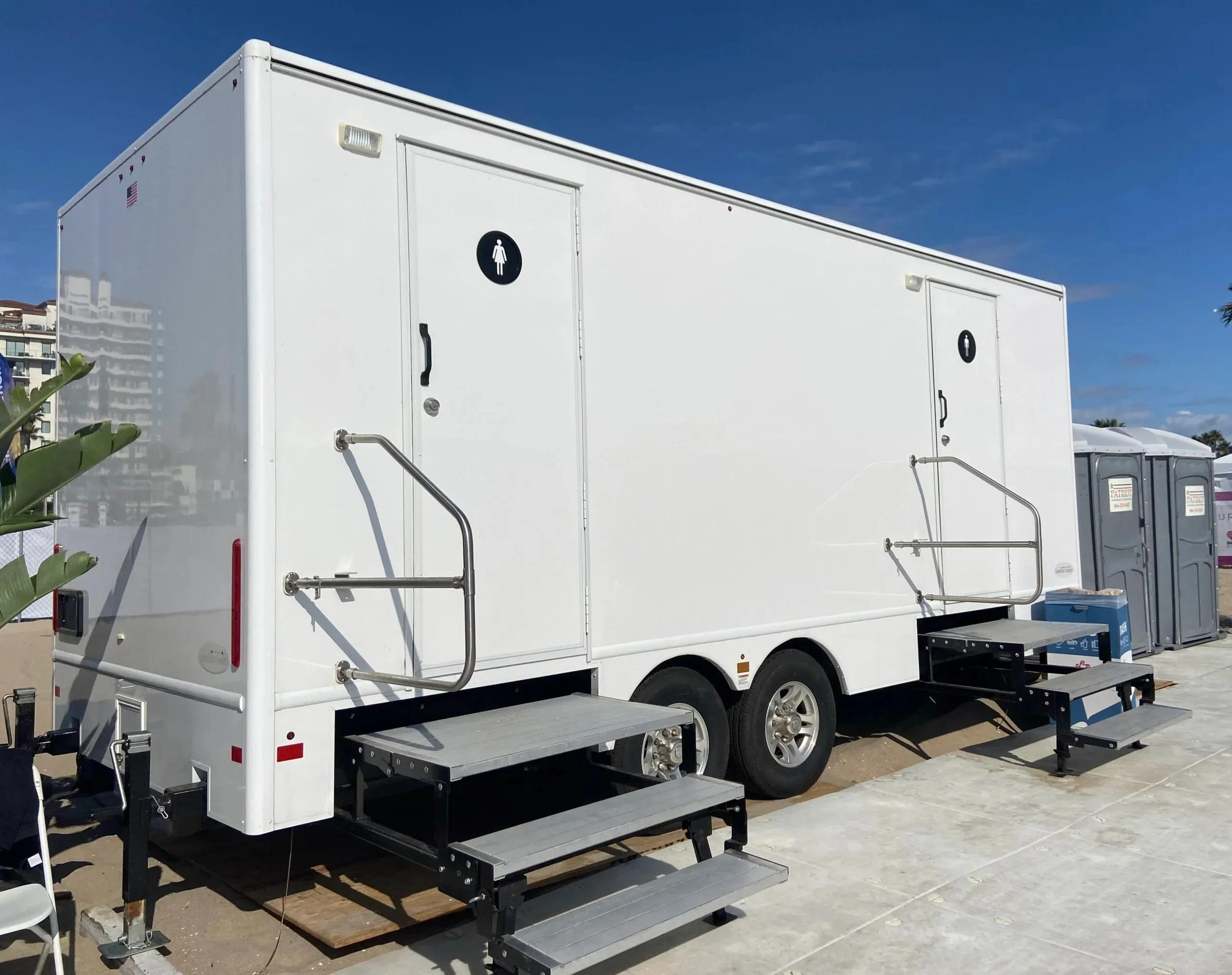
Accessible units need a clear, level path in and a turning space once inside. ADA Standards section 403.5.1 sets a minimum 36 inch clear route to the door, and section 404.2.3 sets the door opening itself at a minimum 32 inches wide. Inside, section 304.3.1 calls for a 60 inch turning circle, so the unit footprint has to be bigger than a standard 44 by 48 inch model to fit that space along with fixtures.
Where you're clustering multiple standard units, ADA Standards section 213.2 requires at least 5 percent to be accessible, with a minimum of one no matter how small the cluster. Reach and controls matter too: section 308.2.1 limits forward reach to between 15 and 48 inches, and section 309.4 requires operable parts usable with one hand and no more than 5 pounds of force. See our ADA accessible porta potty page for unit specifics, or ADA restroom requirements for the full standard, and compare against a deluxe flushable porta potty if your event needs both accessible and upgraded units.
Site logistics matter here too. A mobile office trailer on a jobsite sometimes needs replacement doors after storm damage or heavy use, and that same door-width thinking applies: don't let a narrow replacement door choke off ADA clearance you'd already planned for. Check mobile office trailer rental if you're staging a trailer alongside your restroom trailer rental units, and see our storage container rental options if you need lockable space for tools instead.
Do I need a permit to place a porta potty on my property?
Usually not for private property, but placement in a public right of way, sidewalk, or street shoulder often does. That varies by city rule, so confirm with Wheaton's building department before delivery. See porta potty permit requirements for the questions to ask.
How much clearance does a service truck need?
Plan for roughly 60 feet of straight clearance behind the unit, the same benchmark used for roll-off dumpster deliveries. Tight alleys or shared driveways in Wheaton neighborhoods often need a walk-through before the truck arrives.
Can I place a porta potty near a septic drain field?
No. Keep equipment and standing units off the field to avoid compaction damage. Stage units on a driveway or gravel pad instead, away from tank and field lines.
What's the difference between placement rules for events and construction sites?
Construction sites follow OSHA 1926.51(c) ratios tied to worker headcount. Events size units to guest count and hours instead. See how many porta potties do I need for the event-side math.
Do Ozark River portable sink parts affect placement?
Replacement parts don't change where a sink goes, but a sink needing repair should sit somewhere serviceable and stable. Pair it with our portable sink rental units if a hand station is down mid-job.

Next step
Get a delivery date
Tell us the address, the dates and the headcount. We size the order and confirm the route.